

Last Updated: April 2026
Aquatic plants are a very important step in achieving a truly balanced ecosystem pond. Adding aquatic plants to the pond is an important part of the water garden. They provide beauty and naturalization with a huge array of plant choices.
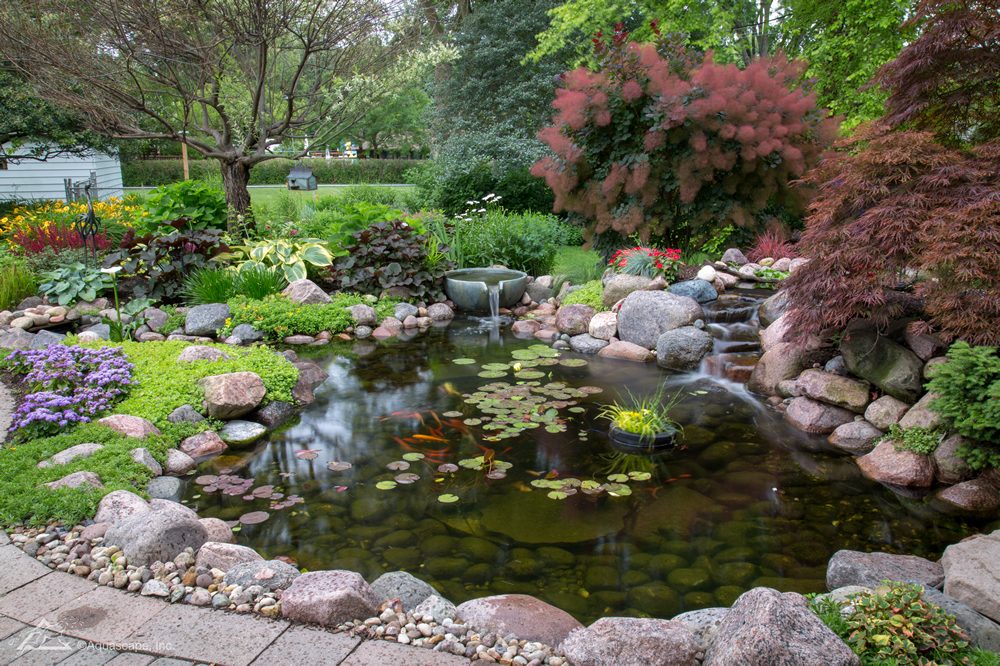
But even more importantly, they help balance the pond’s ecosystem and provide valuable biological filtration that removes nitrogen, ammonia, nitrates and other minerals from pond water. These excess nutrients are often the cause of unsightly water conditions. The end result helps to minimize pond maintenance, leaving more time to enjoy your pond.
Aquatic plants can be classified into a few main categories: water lilies, marginal plants, floaters and submerged (also known as oxygenators). Plants can also be put into two basic types known as “tropical” and “hardy.” Hardy plants will over-winter in colder climates and tropical plants are more suited to warmer climates, although tropical plants are often used as annuals in colder climate zones. Ideally, thirty to sixty percent of the water surface should be covered with aquatic plants.
Water Lilies
Water lilies are among the most popular of aquatic plants and are often the centerpiece of the water garden. A water garden never seems complete without a few beautiful water lilies. Not only are water lilies breathtaking but they provide valuable shade, which helps to keep the pond cool while providing refuge for pond fish.
Floaters
Floating plants do just as their name indicates: they float on the water’s surface. Their roots dangle beneath the plant absorbing all their nutrients from the water. Most floating plants do a great job of filtering ponds by removing nutrients directly from the water as opposed to the soil where most other aquatic plants are situated or planted.
Marginals
The marginal plant group is the largest aquatic plant group by far, containing both hardy and tropical plants. Most of them are true perennials and come back year after year, like your favorite Daylily or Black-Eyed Susan. Marginal plants serve many functions such as adding beauty and providing valuable filtration.
They are called “marginals” because they typically grow around the edges or “margins” of a pond or lake. Marginal plants thrive in wet soil or standing water that covers the crown or base of the plant by as little as two inches and up to as much as six inches. Some examples of marginals include sweet flag, marsh marigold, taro, canna, water iris and creeping Jenny.
Submerged
Like the name implies, this group of plants lives below the water surface. They are commonly referred to as oxygenators. Submerged aquatics do produce oxygen during most of the day. Submerged aquatic plants live entirely under water, almost. Some oxygenators bloom and the flowers often rise to the surface. They include plants such as elodea, anacharis, hornwort, foxtail, cabomba and vallisneria. For the most part, submerged plants absorb their nutrients directly from the water. This means they compete with algae for nutrients, thereby helping to balance the ecosystem.
Putting it All Together
Just like their soil counterparts, a good mix of aquatic plants lends the best visual impact for your water garden. Marginals help to blend the pond into the surrounding landscape, while water lilies provide pops of color at the water’s surface. Take some time to familiarize yourself with all the wonderful options out there and you’ll soon find what most appeals to you.
Frequently Asked Questions
- What aquatic plants grow best in Fox Valley, Illinois backyard ponds?
- Hardy water lilies, lotus, pickerelweed, and cattails perform well in Oswego and Yorkville area ponds. Hardy water lilies are especially popular because they come back each year after Illinois winters without needing to be brought indoors. Marginal plants like iris, rush, and taro add texture around pond edges while providing habitat for beneficial insects and frogs.
- How many aquatic plants does a pond need in Illinois?
- A general guideline is to cover 40 to 60 percent of your pond’s surface with floating or submerged plants. This coverage shades the water, limits algae growth, and helps stabilize water temperature during hot Illinois summers. Undeplanted ponds tend to experience more algae blooms and murky water, especially in the July and August heat common to the Fox Valley region.
- Do aquatic plants need to be removed before Illinois winters?
- It depends on the plant. Hardy water lilies and most native marginals can stay in the pond and go dormant. Tropical water lilies and non-hardy annuals must be removed before first frost, as they will not survive Illinois winters. Submerged oxygenators like anacharis should be thinned in fall to prevent decomposition from affecting water quality under the ice.
Related Resources: Learn more about our water feature services, read our pond maintenance guide for Fox Valley homeowners, or get expert advice from our pond team.
Written by BLC Yardworks — Fox Valley hardscaping, landscaping, and water feature contractors serving Oswego, Yorkville, Plainfield, Naperville, and surrounding communities since 1999.